
时间:2026年8月9-16日
地点:北京师范大学 & 线上
课程语言:英语
欢迎硕士生、博士生、博士后及广大科研学者报名参加!
网站:http://igu-geosus.org/pages/telecoupling-summer-school.html
1. 组织单位
主办:北京师范大学
承办:北京师范大学地理科学学部
支持期刊:《地理学与可持续性(英文)》
2. 课程介绍
主题:远程耦合和全程耦合研究前沿:应对全球可持续发展挑战
远程耦合(Telecoupling)指的是远距离上发生的人与自然(或社会经济与环境)的相互作用。全程耦合 (Metacoupling)则涵盖了远程耦合,以及相邻系统之间的相互作用(近程耦合,pericoupling)和系统内部的相互作用(内部耦合,intracoupling)。远程耦合与全程耦合正日益深刻地影响着全球可持续发展挑战的格局,这些挑战包括生物多样性丧失、气候变化、污染,以及土地、水等生态系统服务和自然资源的退化。
本次国际暑期学堂将聚焦于应对全球可持续发展挑战的远程耦合与全程耦合研究。其议题与联合国可持续发展目标(SDGs)、《昆明-蒙特利尔全球生物多样性框架》、《联合国生态系统恢复十年》、联合国气候变化框架公约《巴黎协定》以及将在巴西举行的第30届联合国气候变化大会(COP 30)等全球优先事项高度契合。
除专题讲座外,参加者还将有机会参与并合作开展远程耦合或全程耦合团队研究项目,发表高质量的科研成果。参加者可自主选择或授课教师推荐研究项目。由于发表研究成果通常需要更长周期,暑期学堂结束后,项目合作将持续推进。往届培训已有多项研究成果发表于Science等顶级期刊。
讲座主题包括但不限于:
远程耦合与全程耦合框架
远程耦合与全程耦合框架的应用
实施远程耦合与全程耦合框架的方法和工具
应对全球可持续发展挑战的远程耦合与全程耦合研究未来方向
高质量学术论文写作
3. 日程安排
8月9日 (周日):注册报道
8月10-14日 (周一-周五):讲座/项目项目/研讨
8月15日 (周六):项目参加者报告/研讨
8月16日 (周日):离校
4. 授课教师
授课教师均为该领域权威专家,包括中国科学院院士、美国国家科学院院士,以及在Science、Nature系列、PNAS等国际顶级期刊发表论文的学者。授课教师将开展专题授课,针对参加者的研究项目提供指导。以下是部分已确定的暑期学堂授课教师名单。(另外,如果需要的话, 暑期学堂将结合参加者的研究领域与个性化需求,定向邀请对应领域的专家参与授课与交流。)
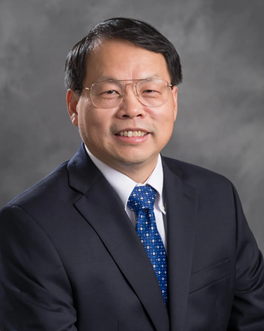
Jianguo Liu(刘建国)
美国国家科学院院士、美国人文与科学院院士,美国密歇根州立大学讲席教授、杰出教授、系统整合与可持续性发展中心主任;著名生态学家、可持续发展科学家;美国景观生态协会前主席,国际人与自然耦合系统研究网络的创始人。长期致力于将生态学与社会科学、政策及技术创新相结合, 推动全球可持续发展理论与实践创新。他是全球可持续发展系统整合研究的先驱,创建了一系列关键理论框架 (例如: 远程耦合、全程耦合)、并引领它们在全球范围内的广泛应用。在Science、Nature及系列杂志和PNAS发表论文70余篇。已兼任Science评审编辑、PNAS特约编辑以及其它20个学术杂志编委。荣获多项重要荣誉和奖励,包括美国哲学会会员 (美国历史最悠久、最精英的学术组织)、挪威皇家科学与文学会会员、全球高被引用学者、挪威皇家科学与文学会和挪威科技大学的Gunnerus可持续发展科学奖、以及美国生态学会杰出生态学家奖等。
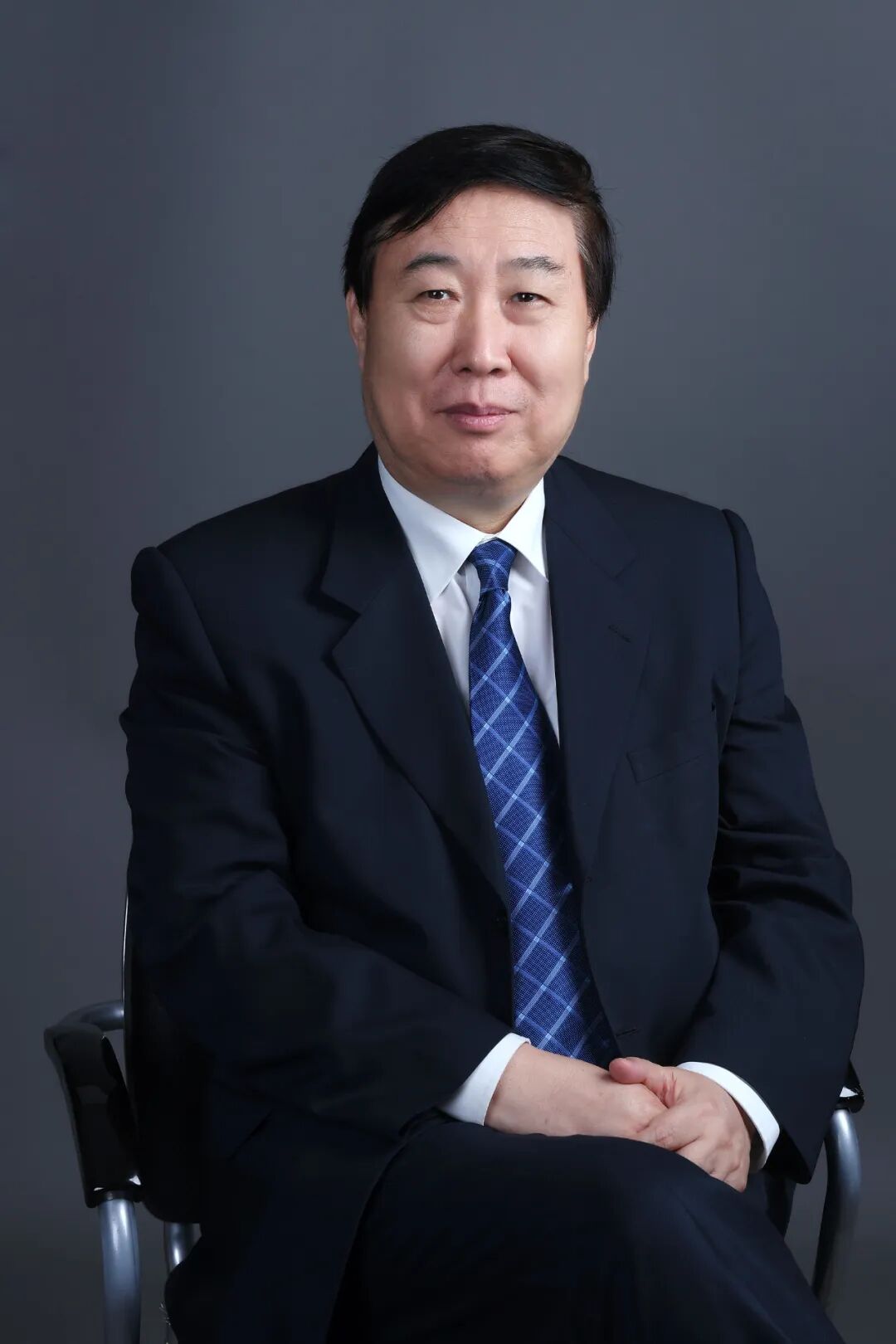
傅伯杰
中国科学院院士、美国人文与科学院外籍院士、发展中国家科学院院士、英国爱丁堡皇家学会外籍院士、英国皇家地理学会荣誉会士、国际科学理事会会士、中国科学院生态环境研究中心研究员。兼任国际地理联合会副主席、中国地理学会监事长等。主要从事自然地理学和景观生态学研究,在土地利用机构与生态过程、景观生态学和生态系统服务、可持续发展等方面取得了系统性创新成果。在Science、Nature、Nature Geoscience、Nature Climate Change、Nature Sustainability 等国内外学术刊物发表学术论文600余篇,出版著作10余部,为国家提供咨询报告10余项,入选高被引学者,国内外引用6万余次。获国家自然科学二等奖两次(2005,2020)、国家科技进步二等奖、中国科学院杰出科技成就奖、何梁何利科学与技术进步奖、全国创新争先奖、陈嘉庚科学奖—地球科学奖、国际景观生态学会杰出贡献奖和欧洲地球科学联合会“洪堡奖章”、“科技盛典-CCTV 2019年度科技创新人物”、发展中国家科学院—联想科学奖、“全国杰出专业技术人才”等。
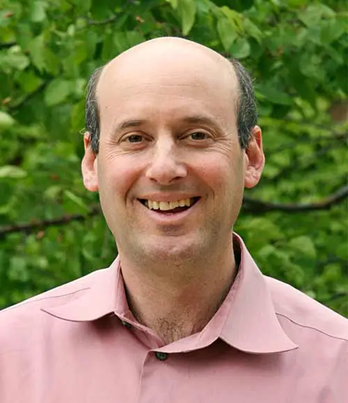
Kenneth Frank
美国国家教育院院士、密歇根州立大学基金会教授、社会计量学教授、咨询与教育心理学及特殊教育专业教授,同时兼任该校渔业与野生动物学系、社会学系荣誉客座教授。1993 年获芝加哥大学测量、评估与统计分析专业博士学位。特别擅长整合社会网络分析、敏感性分析与因果推断(研究成果见http://konfound-it.com)、多层模型等方法。在Nature等学术刊物发表大量学术论文,研究内容涵盖社会网络中行动者间关系的定量表征方法、因果推断敏感性分析的稳健性指标、网络分析在远程耦合与全程耦合研究中的应用、以及社会资本在学校、自然资源管理及其他社会场景中的影响机制等方面。
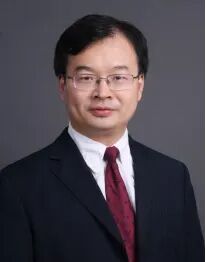
赵文武
北京师范大学地理科学学部教授,博士生导师,Geography and Sustainability 常务副主编、国际地理联合会地理学与可持续性专业委员会主席。主要从事土地利用与生态过程、生态系统服务、人地系统耦合与可持续发展等领域的研究。主持第三次新疆综合科学考察项目、国家重点研发计划课题、国家自然科学基金可持续发展国际合作科学计划重点项目等10余项,以第一作者/通讯作者在Nature Sustainability等国内外期刊发表学术论文200余篇,其中国际英文期刊论文100余篇,入选全球前2%顶尖科学家(2023、2024),获自然资源科学科技进步二等奖(2023)、中国地理信息产业协会地理信息科技进步二等奖(2019、2022)、中国水土保持学会科学技术二等奖(2021)等。

Zhenci Xu(许振赐)
香港大学副教授,主要从事可持续科学研究,侧重整合多个学科(如环境经济学和系统建模)。研究方向包括可持续发展多尺度定量评估,远程耦合过程(如食品贸易、虚拟资源转移)的复杂影响, 全程耦合可持续发展,人地耦合关系,环境足迹,水能粮纽带关系。多篇学术论文发表在Nature、Nature Sustainability、Nature Communications等刊物。

Nan Jia(贾楠)
密歇根州立大学系统整合与可持续性发展中心副研究员,也是Telecoupling Toolbox的现任开发负责人。她的研究和开发工作包括多个方向。首先是推进Telecoupling Toolbox的使用与应用,这是一个用于分析复杂远程耦合系统的工具。她目前领导将该工具转向开源平台的工作,并结合大语言模型,开发Telecoupling Toolbox Agentic平台,使得用户可以在无需编码的情况下,自动构建工作流程,理解用户需求并生成相关工作流程。此外,她的研究还涉及生态学模型、网络分析和数据科学的整合,特别是评估气候变化、疫情、地缘政治冲突等多重全球冲击对可持续性的影响。
5. 注册
线上参加:600元
现场参加(不参与项目研究):1600元
现场参加(参与项目研究):3000元
国际申请者可以其它货币支付与人民币金额等值的费用。费用将在不同货币之间自动换算计算。
报名线上参加和现场参加(不参与项目研究)者请填写调查问卷后直接缴费;报名现场参加(参与项目研究)者请填写调查问卷后等待邮件通知再缴费,组织方将根据申请者背景等,结合调查问卷,确定团队研究项目的参与人选。如未入选,可改为线上或现场参加(不参与项目研究)。
申请表 (包括简历):
https://zcn7nt71iuzx.feishu.cn/share/base/form/shrcnQQOcYSMlgZJwvkY7DJVNRc
注册:
注:
(1)注册费含学习材料、用餐,不含住宿。
(2)线下参加的国际学生可申请资助,资助标准分成1600元(不参加项目)和3000元(参加项目)两档。请联系geosusconference@bnu.edu.cn。
(3)北京师范大学校内师生参加,仅在网站注册,提交纸质版(签字、盖章)至京师科技大厦B座6层616室。
(4)参加研究项目申请者报名截止到5月15日,不参加研究项目申请者报名截止到6月15日。
(5)申请退款请请查见以下联系方式,6月15日(含)以后将不再退款。
6. 联系我们
联系人:杜老师(北京师范大学)
邮箱:geosusconference@bnu.edu.cn
International Summer School on Geography and Sustainability 2026
Frontiers in Telecoupling and Metacoupling Research for Addressing Global Sustainability Challenges

Date: August 9-16, 2026
Location: Beijing Normal University, China & online
Language: English
Target audience: Master's students, PhD students, Postdocs, and other researchers.
Website: http://igu-geosus.org/pages/telecoupling-summer-school.html
1 Organization
Host: Beijing Normal University (BNU)
Organizer: Faculty of Geographical Science, BNU
Support journal: Geography and Sustainability
2 About the Summer School
Theme:Frontiers in Telecoupling and Metacoupling Research for Addressing Global Sustainability Challenges
Telecoupling refers to human-nature (or socioeconomic-environmental) interactions over distances. Metacoupling encompasses telecoupling, as well as interactions between adjacent systems (pericoupling) and within systems (intracoupling). Telecoupling and metacoupling are increasingly shaping global sustainability challenges, including biodiversity loss, climate change, pollution, and the degradation of ecosystem services and natural resources, such as land and water.
The International Summer School focuses on telecoupling and metacoupling research to address global sustainability challenges, aligning with global priorities such as the UN Sustainable Development Goals (SDGs), the Kunming-Montreal Global Biodiversity Framework, the UN Decade on Ecosystem Restoration, the UNFCCC Paris Agreement, and the Climate Change meeting at COP 30 in Brazil. In addition to lectures, participants will have opportunities to discuss and work on team-based research projects on telecoupling or metacoupling to enhance learning and likely lead to high-quality publications. Participants can choose research projects related to telecoupling/metacoupling or have them suggested by instructors, and projects may continue beyond the summer school because publishing research often takes more time. (Research projects at similar training programs in the past have resulted in many high-quality publications in outlets such as Science.) The lecturing topics include:
l Telecoupling and metacoupling frameworks
l Applications of the telecouipling and metacoupling frameworks
l Methods and tools for operationalizing the telecoupling and metacoupling frameworks
l Future directions of telecoupling and metacoupling research for addressing global sustainability challenges
l Writing high-quality papers
3 Agenda
August 9 (Sunday): Registration
August 10-14 (Monday-Friday): Lectures/ Projects/Discussion
August 15 (Saturday): Participant Presentations/Discussion
August 16 (Sunday): Departure
4 Instructors
Instructors are experts on the theme, including members of the Chinese Academy of Sciences and the U.S. National Academy of Sciences, as well as authors of papers in Science and Nature family journals and PNAS. In addition to giving lectures, the experts will provide feedback and guidance on participants' research projects. Below are several confirmed instructors. (If needed, additional instructors will be available if the participants’ specific interests go beyond those of the confirmed instructors.)
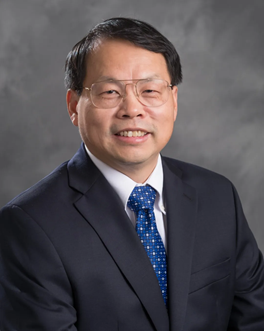
Jianguo Liu
Dr. Jianguo (Jack) Liu is an elected member of the U.S. National Academy of Sciences, American Philosophical Society, American Academy of Arts and Sciences, and Royal Norwegian Society of Sciences and Letters. He holds the Rachel Carson Chair in Sustainability, is a University Distinguished Professor at Michigan State University, and serves as founding director of the Center for Systems Integration and Sustainability. He is a world leader in systems integration for sustainability (e.g., integrating ecology with the social sciences, policy, and technologies to understand and promote global sustainability). He has been leading the development and applications of the telecoupling and metacoupling frameworks worldwide. He has served on the editorial boards of more than 20 international journals, such as Science. His pioneering work has been published in journals such as Science and Nature. His accomplishments have been recognized by numerous prestigious awards, including the Eminent Ecologist Award of the Ecological Society of America, the Guggenheim Fellowship, the Gunnerus Award in Sustainability Science, and the World Sustainability Award.
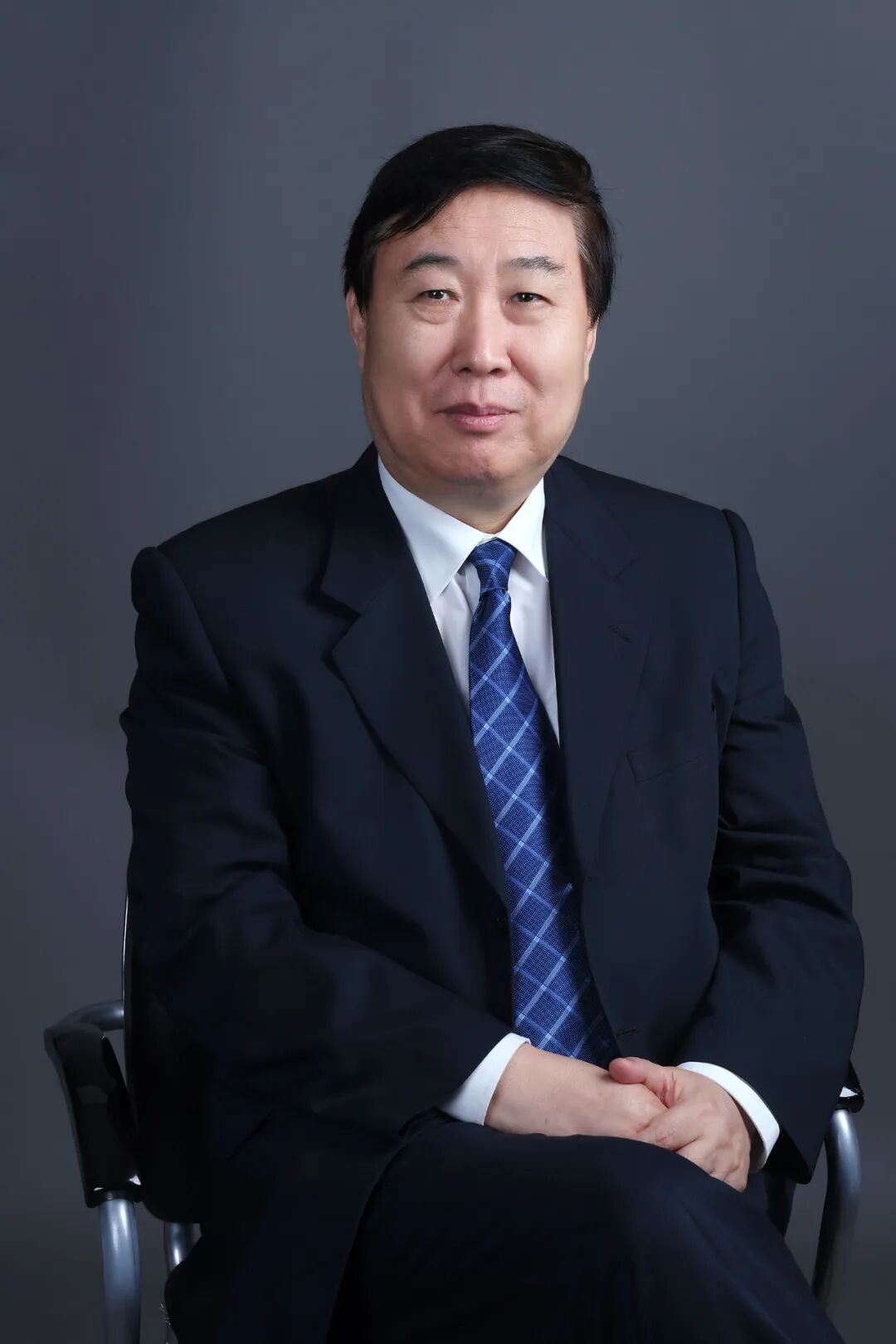
Bojie Fu
Dr. Bojie Fu is a Fellow of the Chinese Academy of Sciences, an International Honorary Member of the American Academy of Arts and Sciences, a Fellow of the Academy of Sciences for the Developing World (TWAS), a Corresponding Fellow of the Royal Society of Edinburgh, UK, and an Honorary Fellow of the Royal Geographical Society. He is a distinguished professor and director of the Academic Committee in the Research Center for Eco-Environmental Sciences, Chinese Academy of Sciences. He is also Vice-Chair of the International Geographical Union and Chief Supervisor of the Geographical Society of China. He has published over 600 papers in prestigious domestic and international scientific journals, including Science and Nature, as well as 10 books. He has won the China National Natural Sciences Award (2nd Class), the National Sciences and Technology Advanced Award (2nd Class), award for Distinguished Scientific Achievement of the Chinese Academy, Ho Leung Ho Lee Science and Technology Progress Award, Award of Distinguished Service of International Association for Landscape Ecology, Alexander Von Humboldt Medal of European Geoscience Union, and the CCTV 2019 Scientific and Technological Innovation Award.
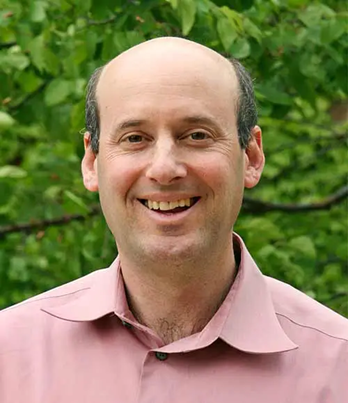
Kenneth Frank
Dr. Kenneth Frank is a member of the U.S. National Academy of Education. He is MSU Foundation Professor of Sociometrics, Professor in Counseling, Educational Psychology, and Special Education, and adjunct (by courtesy) in Fisheries and Wildlife and Sociology at Michigan State University. He received his Ph.D. in measurement, evaluation, and statistical analysis from the University of Chicago in 1993. His substantive interests include the study of schools as organizations, social structures of students and teachers and school decision-making, and social capital. His substantive areas are linked to several methodological interests: social network analysis, sensitivity analysis and causal inference (http://konfound-it.com), and multi-level models. His publications, in outlets such as Nature, include quantitative methods for representing relations among actors in a social network, robustness indices for sensitivity analysis for causal inferences, and the effects of social capital in schools, natural resource management, and other social contexts.
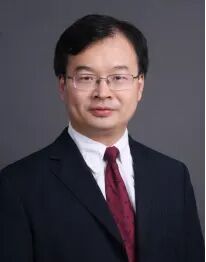
Wenwu Zhao
Dr. Wenwu Zhao is a Professor at the Faculty of Geographical Science, Beijing Normal University. He is also Chair of the International Geographical Union Commission on Geography and Sustainability and an Associate Editor for the journal Geography and Sustainability. He is affiliated with the State Key Laboratory of Earth Surface Processes and Disaster Risk Reduction and the Institute of Land Surface System and Sustainable Development. His research focuses on integrated geography, human-environment system coupling, and sustainable development.

Zhenci Xu
Dr. Zhenci Xu is an Associate Professor at the University of Hong Kong. He is a human-environment researcher with a focus on sustainable development goals, footprint, food-energy-water-carbon nexus, ecosystem services, ecology, and China's development. He is interested in taking a holistic approach, such as integration of various components (e.g., causes, spatial-temporal scales, effects, feedbacks, environmental and socioeconomic interactions), to address the complexity of human-environment interactions and related sustainability issues such as sustainable development progress assessment, impacts of distant interactions on local sustainable development, and synergies and trade-offs between various dimensions of sustainability. He has published papers in journals such as Nature, Nature Sustainability, and Nature Communications.

Nan Jia
Dr. Nan Jia is a Research Associate at the Center for System Integration and Sustainability, Michigan State University, and the current lead developer of the Telecoupling Toolbox. Her research and development focus on advancing the Telecoupling Toolbox, a tool for analyzing telecoupling and modeling complex systems across multiple scales. She is leading efforts to transition the Toolbox to an open-source platform and to integrate large language models to create the Telecoupling Toolbox Agentic platform. This new platform allows users to build workflows automatically with no coding, understanding user needs and generating relevant workflows. Additionally, her work involves integrating ecological models, network analysis, and data science to study the impacts of multiple global shocks on sustainability, including climate change, pandemics, and geopolitical disturbances.
5 Registration
Online participation: 600 RMB
In-person participation (without research projects): 1600 RMB
In-person participation (with team-based research projects): 3000 RMB (the participants with team-based research projects will be selected according to team composition and mentoring capacity)
International applicants can pay in their preferred currencies, equivalent to the amount in Chinese Yuan. The fee will be automatically calculated between currencies.
For participants registering for online or in-person participation (without research projects), please complete the application form and proceed with payment directly.
For participants registering for in-person participation (with research projects), please complete the application form and wait for further instructions via email before making the payment. If not selected for team-based research, participants may choose to be in-person (without team-based research), or be online only.
Application form:
https://zcn7nt71iuzx.feishu.cn/share/base/form/shrcnQQOcYSMlgZJwvkY7DJVNRc
Click here to register:
Note:
(1) The registration fee includes materials for summer school and meals. Accommodation is not included, as it will be arranged by the participants themselves
(2) International students who register for in-person participation can apply for financial support, which is available in two tiers: 1,600 RMB (without research projects) and 3,000 RMB (with team-based research projects). For inquiries, please contact us via geosusconference@bnu.edu.cn.
(3) Deadline for registration with team-based research projects: May 15, 2026; Deadline for registration without research projects: June 15, 2026.
(4) Regarding the refund requests, please contact us via geosusconference@bnu.edu.cn. No refunds will be issued after June 15, 2026.
6 Visa
For international students, please submit your information via https://bnu.17gz.org to obtain the letter of admission for your visa application. (Deadline: May 15 2026)
7 Contact Us
Ms. Du (Beijing Normal University)
Email: geosusconference@bnu.edu.cn